A thousand years of history in Dublin's most storied district
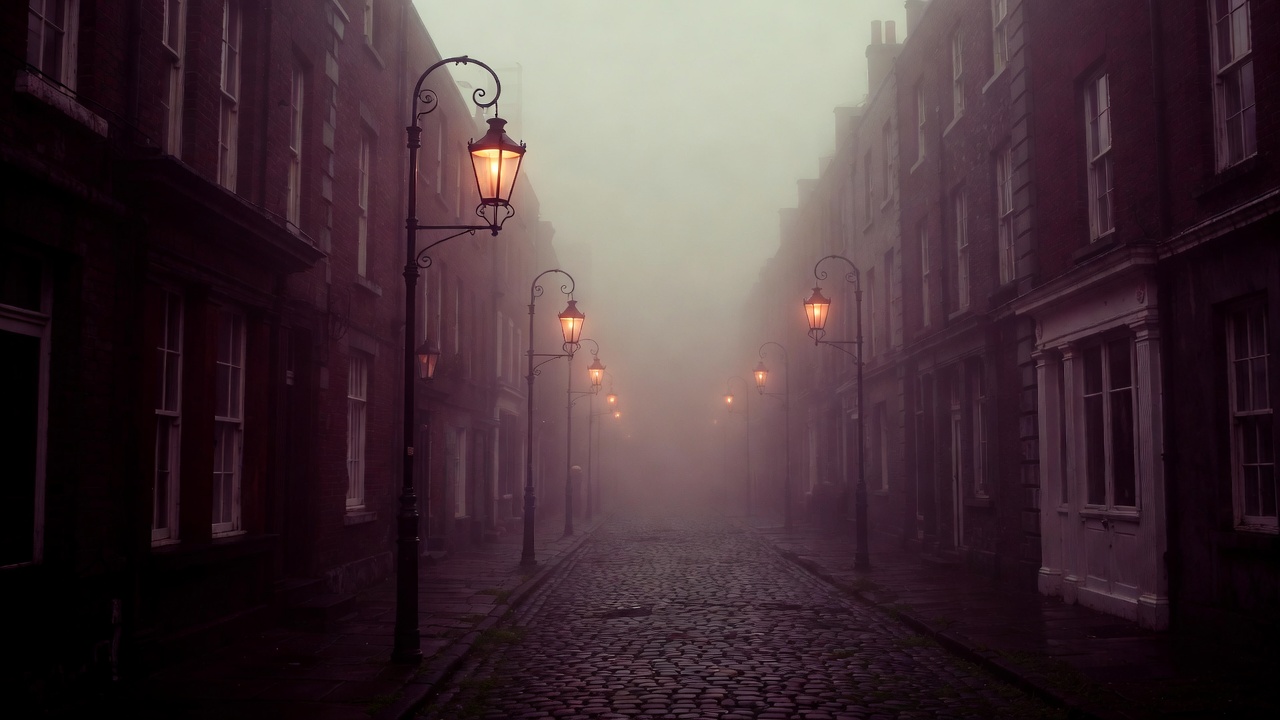
Long before the stone walls of Dublin Castle rose above the landscape, this ground was sacred to the Vikings. In the 9th century, Norse warriors established a settlement at the confluence of the River Liffey and the Poddle, naming it Dubh Linn — the "Black Pool" — after the dark tidal pool that once existed where the castle gardens now bloom.
The Vikings built their longphort here, a fortified ship encampment that would grow into one of the most important trading posts in the Norse world. For over three centuries, Dublin thrived as a Viking kingdom, its merchants trading with settlements from Scandinavia to the Mediterranean.
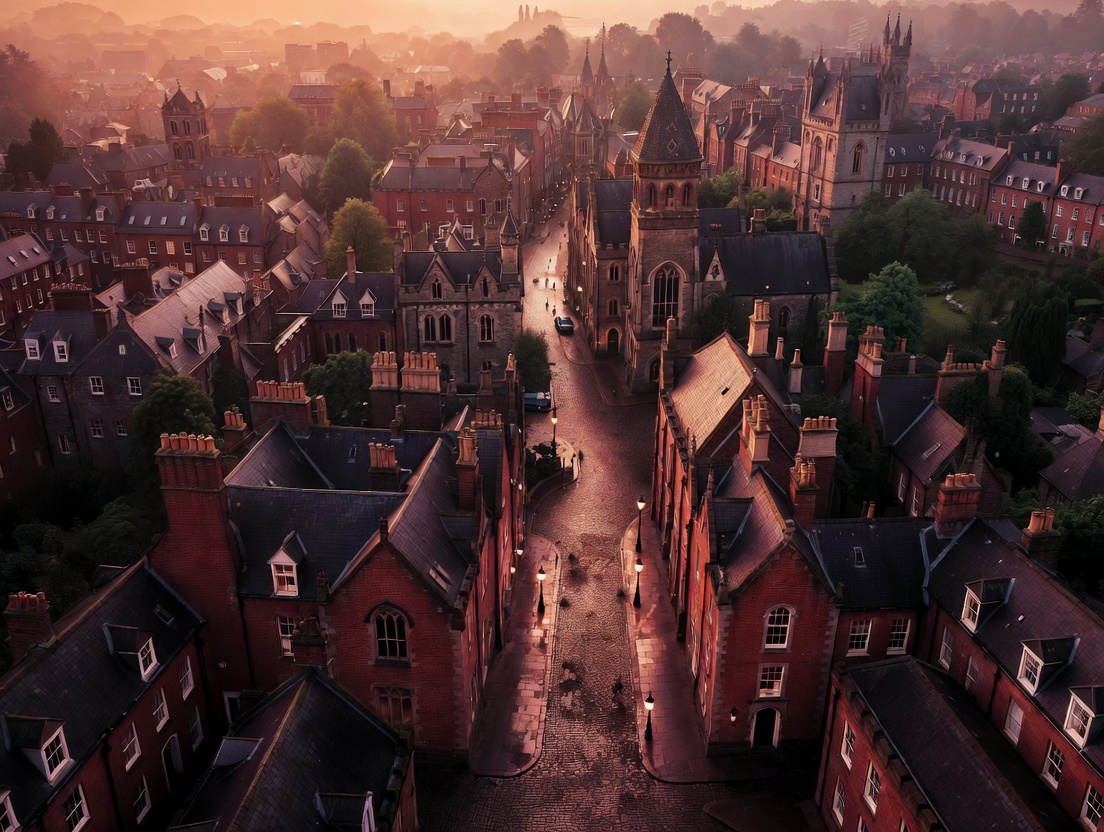
In 1170, the Anglo-Norman invasion forever changed the course of Irish history. Richard de Clare, known as Strongbow, captured Dublin, and within decades, King John of England ordered the construction of a mighty fortress to serve as the seat of English power in Ireland.
Dublin Castle was completed around 1230, its massive walls and towers designed to project strength and permanence. The Record Tower, which still stands today, is the oldest surviving structure from this medieval fortress — a silent witness to over eight centuries of history.
For the next 700 years, Dublin Castle would serve as the headquarters of English, and later British, rule in Ireland. Within its walls, viceroys held court, policies were decreed, and the fate of millions was decided.
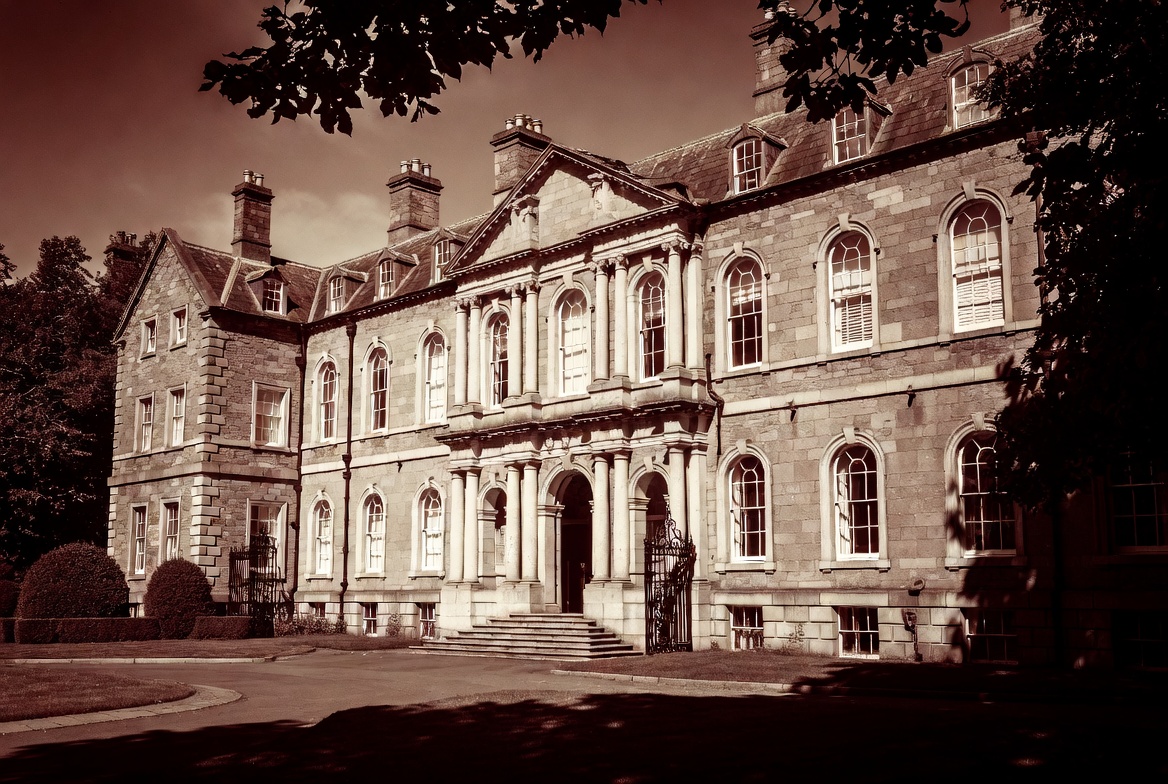
The 18th century brought a remarkable transformation to the castle and its surroundings. A devastating fire in 1684 had destroyed much of the medieval structure, and in its place rose the elegant Georgian buildings we see today. The State Apartments, with their magnificent throne room and drawing rooms, became the setting for the most lavish social events in Ireland.
This was Dublin's golden age of architecture. Around the castle, the city bloomed with Georgian townhouses, their distinctive doorways with colorful fanlights becoming iconic symbols of Dublin. City Hall was built in 1779 as the Royal Exchange, its perfect neoclassical proportions reflecting the confidence of a prosperous merchant class.
Christ Church Cathedral, though medieval in origin, was extensively restored during this period, while new streets and squares were laid out in elegant geometric patterns. The district became a showcase of Georgian urban planning, a legacy that continues to define Dublin's character today.
The 19th and early 20th centuries brought turbulent change. The Great Famine devastated Ireland, and movements for independence grew ever stronger. Dublin Castle became a symbol of foreign rule, and the target of revolutionary aspirations.
In 1916, the Easter Rising shook Dublin to its core. Though the castle itself was not captured, the rebellion marked the beginning of the end of British rule. Six years later, on January 16, 1922, the last British Viceroy handed over the keys of Dublin Castle to Michael Collins, leader of the Irish provisional government. "You are seven minutes late," Collins reportedly said. The reply: "We've been waiting 700 years; you can have the extra seven minutes."
Today, Dublin Castle serves as a major Irish government complex and conference center. The State Apartments host presidential inaugurations and EU summits, while the castle grounds welcome visitors from around the world eager to explore Ireland's heritage.
The district around the castle has become a vibrant cultural quarter. The Chester Beatty Library, housed in the castle grounds, holds one of the world's great collections of manuscripts and rare books. The Olympia Theatre continues to light up Dame Street with world-class performances. And the ancient cathedrals still ring their bells across the city, connecting the present to the distant past.
Walking these streets today, you walk in the footsteps of Vikings and Normans, rebels and rulers, artists and ordinary Dubliners who have called this place home for over a thousand years. The Dublin Castle Heritage district is not just a collection of historic buildings — it is a living story, still being written with every passing day.
Discover the landmarks that make this district so special. From medieval towers to Georgian masterpieces, each place tells its own chapter of Dublin's remarkable story.
View All Places